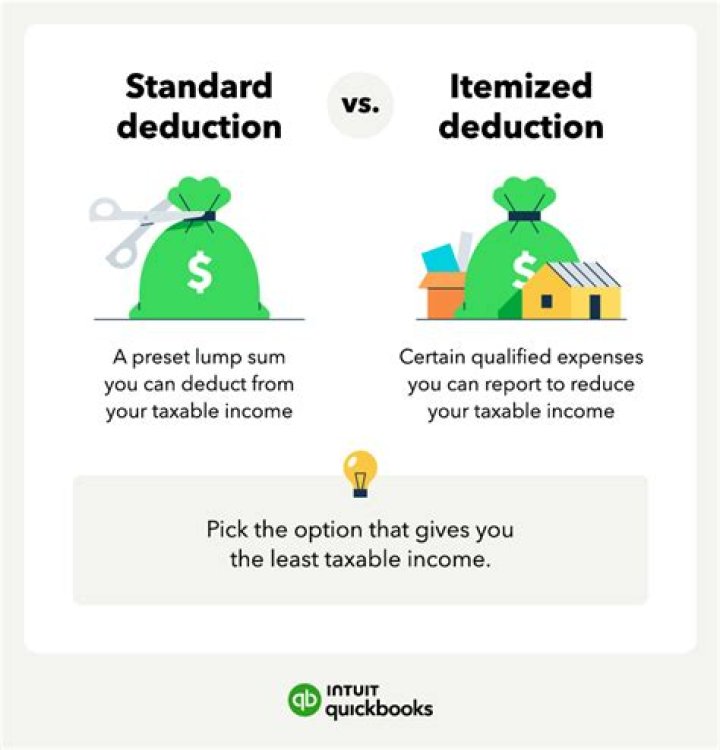
The Tax Cuts and Jobs Act (TCJA) increased the standard deduction amounts for 2018 well beyond what they would have been in that year, raising the deduction from $6,500 to $12,000 for singles, from $13,000 to $24,000 for married couples, and from $9,550 to $18,000 for heads of household.
What was the standard deduction in 2017 vs 2018?
2017 vs. 2018 Federal Income Tax Brackets
| Married Filing Jointly & Surviving Spouses | ||
|---|---|---|
| 2018 Tax Rates – Standard Deduction $24,000 | 2017 Tax Rates – Standard Deduction $12,700 | |
| 10% | 0 to $19,050 | 0 to $18,650 |
| 12% | $19,050 to $77,400 | $18,650 to $75,900 |
| 22% | $77,400 to $165,000 | $75,900 to $153,100 |
Is the standard deduction the same for 2018 as 2019?
If you’re still working on your 2018 tax return (if you got a filing extension for Oct. 15 instead of April 15), you’ll still use the slightly lower 2018 standard deduction amounts, not the 2019 numbers. Tax deduction vs. tax credit: What’s the difference? Why do standard deduction amounts change from year to year?
What’s the standard deduction for the blind for 2019?
1 For 2019, the additional standard deduction amount for the aged or the blind is $1,300. The additional standard… 2 For 2019, the standard deduction amount for an individual who may be claimed as a dependent by another taxpayer cannot… More …
What’s the standard deduction for unmarried taxpayers in 2018?
The additional standard deduction amount increases to $1,600 for unmarried taxpayers. For 2018, the standard deduction amount for an individual who may be claimed as a dependent by another taxpayer cannot exceed the greater of $1,050 or the sum of $350 and the individual’s earned income.
What’s the standard deduction for dependents in 2018?
Those dependents who have earned income can qualify for a higher standard deduction that’s equal to their total earned income plus $350, up to the normal standard deduction amount for the dependent. It’s pretty easy to understand why more taxpayers are likely to take the standard deduction in 2018 than in previous years.
